
This article covers the original India-spec KTM 390 Adventure launched in 2020. It is an archive review, so the specifications and pricing references below should not be used for later 390 Adventure generations.
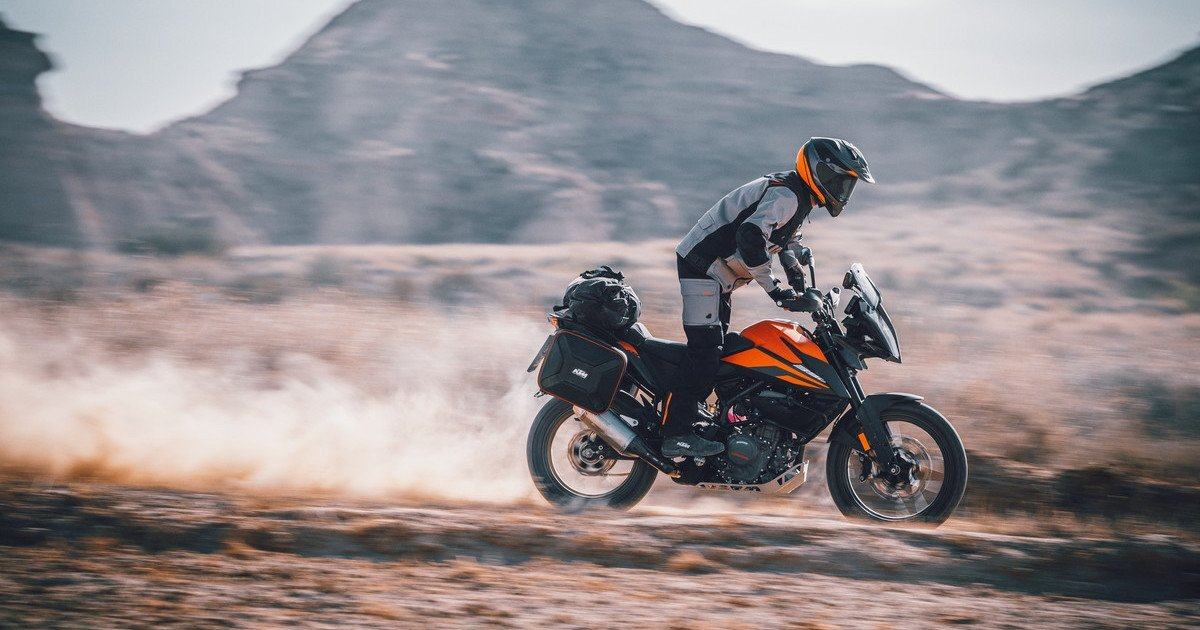
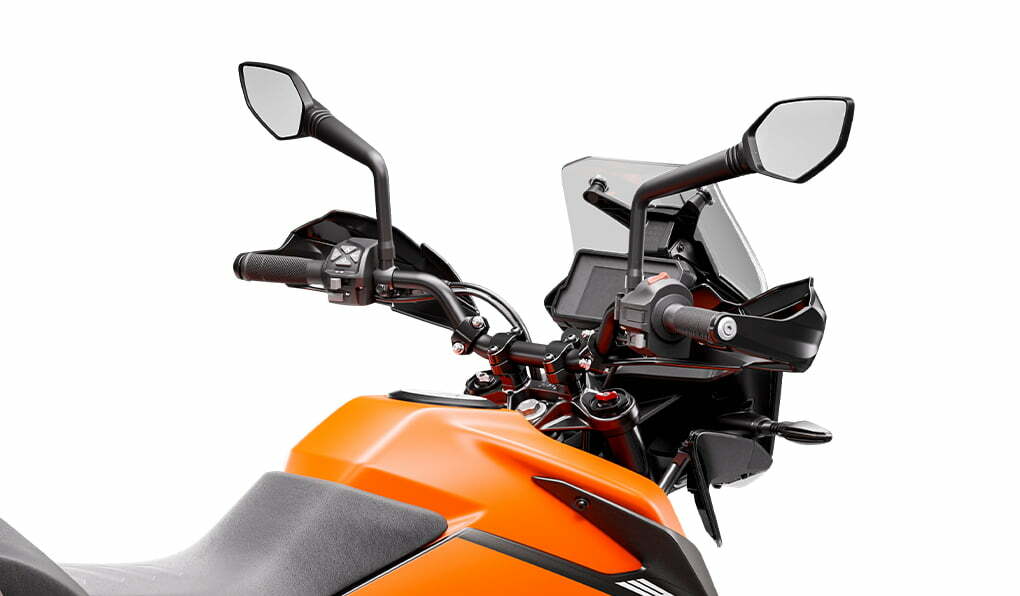
The original 390 Adventure arrived as KTM’s compact, road-biased adventure tourer. It combined the 373cc single-cylinder platform with long-travel suspension, a 19-inch front wheel, wind protection, and rider aids for riders who wanted to cover everyday roads, highways, and easier trails on one motorcycle.
For a broader overview of choosing an adventure bike, read our motorcycle buying guide. The original article also included a video review on YouTube.
Key features
- 373cc liquid-cooled, single-cylinder engine
- Upright adventure-touring ergonomics
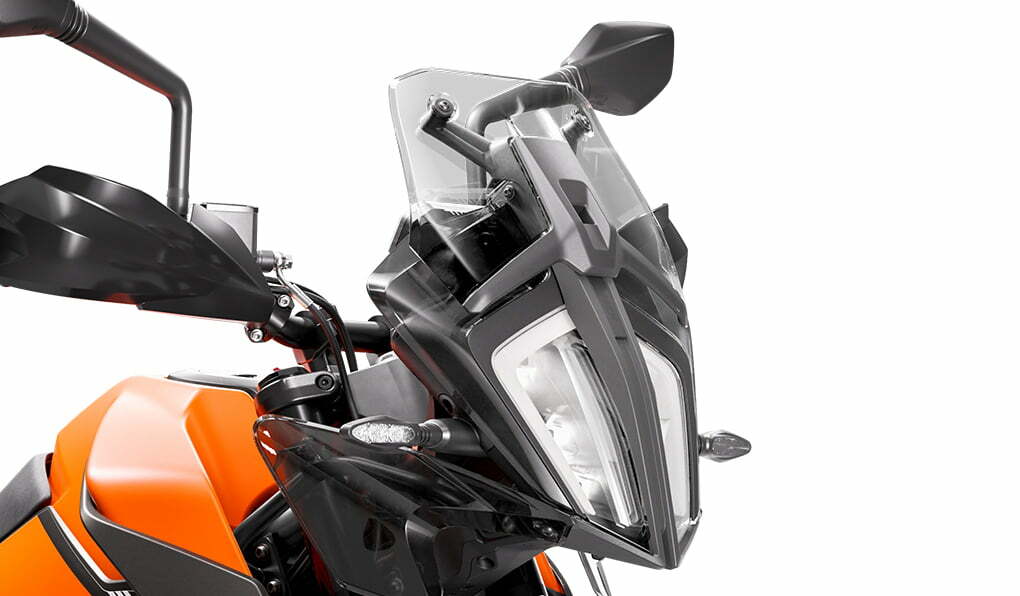
- Electronic fuel injection and LED lighting
- Road-focused chassis with 19-inch front and 17-inch rear wheels
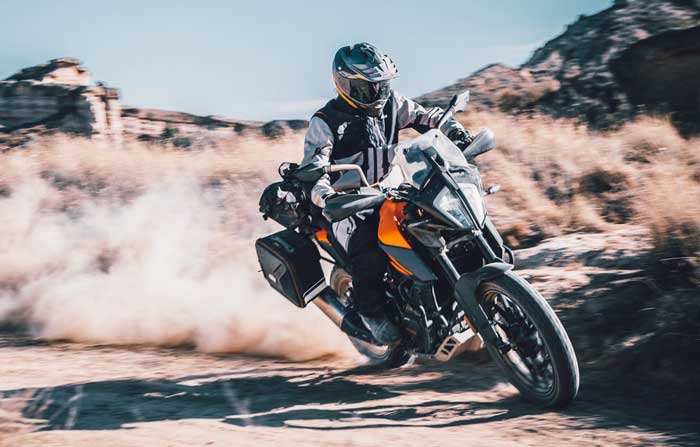
The motorcycle’s everyday appeal came from its relatively compact size, upright riding position, and performance-oriented engine. It was intended to be an accessible entry point into KTM’s adventure range rather than a dedicated off-road machine.
Colours and design
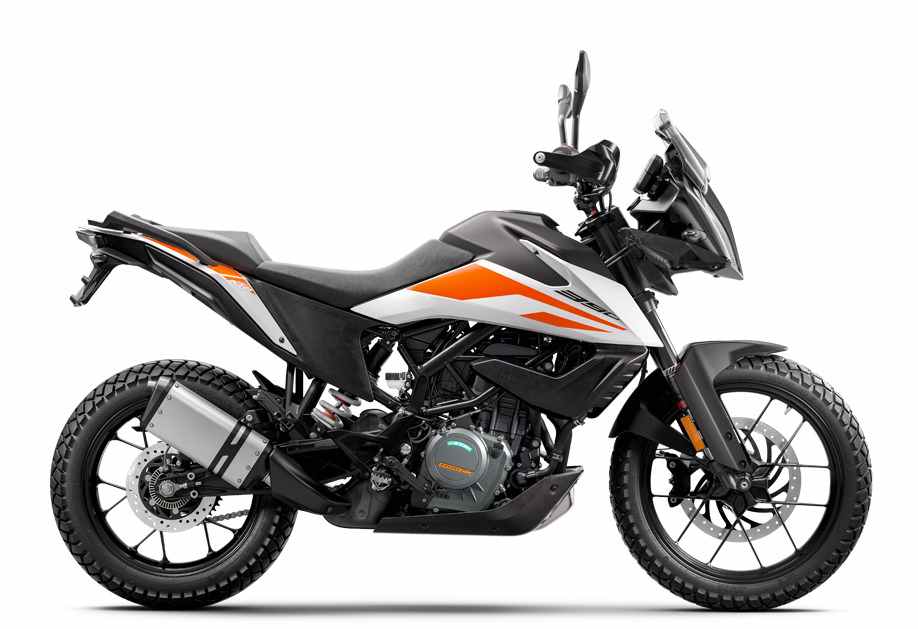
The original article listed orange and white colour options.
Orange
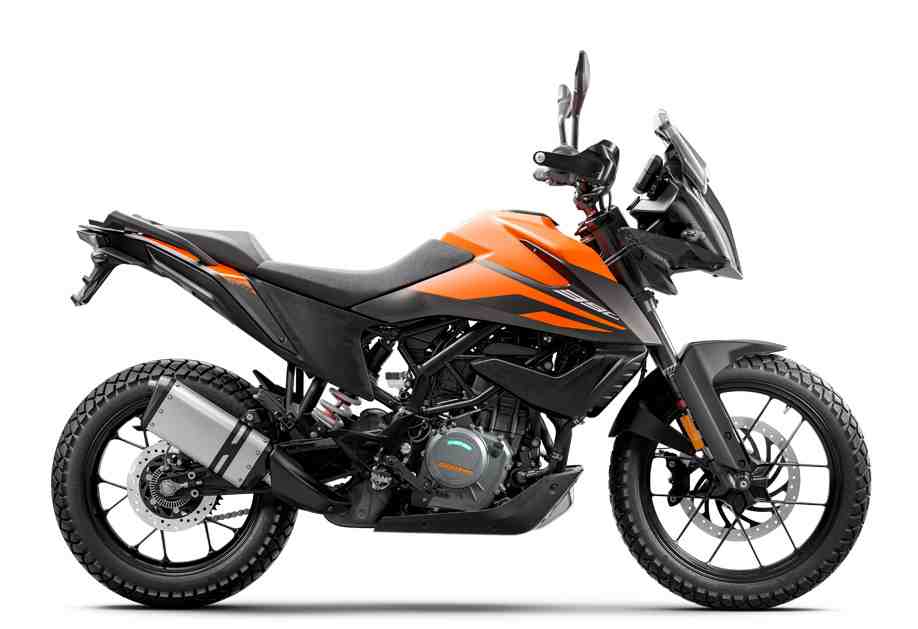
White
Legacy specifications
The following figures are preserved from the original article for historical context. Verify current information with KTM or a dealer before making a purchase decision.
Engine
| Specification | Original article figure |
|---|---|
| Displacement | 373.27cc |
| Power | 42.9 bhp at 9,000 rpm |
| Torque | 37 Nm at 7,500 rpm |
| Fuel system | Electronic fuel injection |
| Cooling | Liquid-cooled |
| Transmission | Six-speed chain drive |
| Clutch | Assist and slipper clutch |
| Emissions standard | BS6 |
Fuel capacity and economy
| Specification | Original article figure |
|---|---|
| Fuel-tank capacity | 14.5 litres |
| Reserve capacity | 2.9 litres |
| Claimed riding range | Around 280-320 km |
| Reported mileage | Around 20-25 km/l, depending on use |
Wheels, suspension, and brakes
| Specification | Original article figure |
|---|---|
| Front tyre | 100/90-19 tubeless |
| Rear tyre | 130/80-17 tubeless |
| Front brake | 320 mm disc with ABS |
| Rear brake | 230 mm disc with ABS |
| Front suspension | USD fork |
| Rear suspension | WP APEX monoshock |
Electricals and dimensions
| Specification | Original article figure |
|---|---|
| Battery | 12V, 8Ah |
| Headlamp/tail-lamp | LED / LED |
| Seat height | 855 mm |
| Ground clearance | 200 mm |
| Wheelbase | 1,430 mm |
| Kerb weight listed | 177 kg |
Pros and cons
Pros
- Upright, comfortable ergonomics for touring and commuting.
- Strong engine performance for the original entry-level adventure segment.
- Useful equipment and electronics for its era.
- Tubeless tyres and ABS support everyday road use.
Cons
- The original review found the price high beside some rivals.
- Fuel economy is modest compared with lower-capacity adventure motorcycles.
- Cast wheels are less suited to demanding off-road use than spoked wheels.
- Colours and equipment can differ between model years.
Buying context
The original 390 Adventure can be an engaging used-bike option when service records, tyres, electronics, and suspension are in good condition. Compare it with the current KTM range before buying: model-year specifications, pricing, colours, and feature sets have changed substantially.
Frequently asked questions
What colours were listed for the original KTM 390 Adventure?
The original article listed orange and white. Availability varied by market and model year.
What was its listed seat height?
The original article listed a seat height of 855 mm.
What mileage did the original article report?
It reported around 20-25 km/l, with real-world results depending on riding style and conditions.
Which motorcycles were considered alternatives?
The original article named the Royal Enfield Himalayan, Hero Xpulse, Benelli TRK 502, BMW G 310 GS, Zontes 350T, and Yezdi Adventure. These comparisons are historical and should be reassessed against current models.