
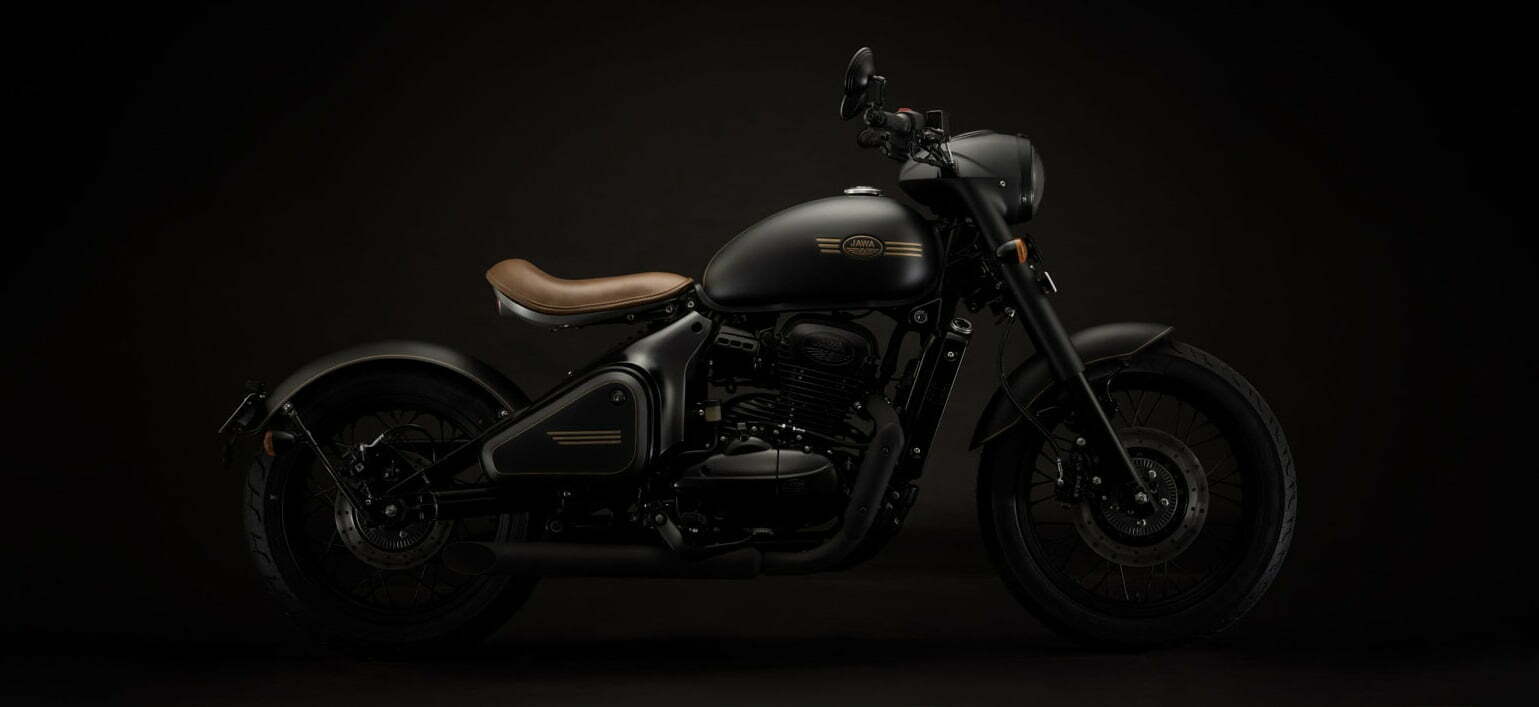
Bobbers appeal to riders who enjoy relaxed solo rides and their stripped-back style. The Jawa Perak brought that format to the middleweight Indian market, pairing a single seat and dark, low-slung silhouette with a 334cc engine.
Jawa returned to India under Mahindra & Mahindra with the Jawa 42, Jawa Standard, and Perak. While the first two are retro roadsters, the Perak is a purpose-built bobber. It is best judged on its character and riding experience, not pillion practicality.
Key features
- Refined, torque-focused engine character
- Relaxed solo-riding ergonomics
- Distinctive bobber styling
Refinement and performance
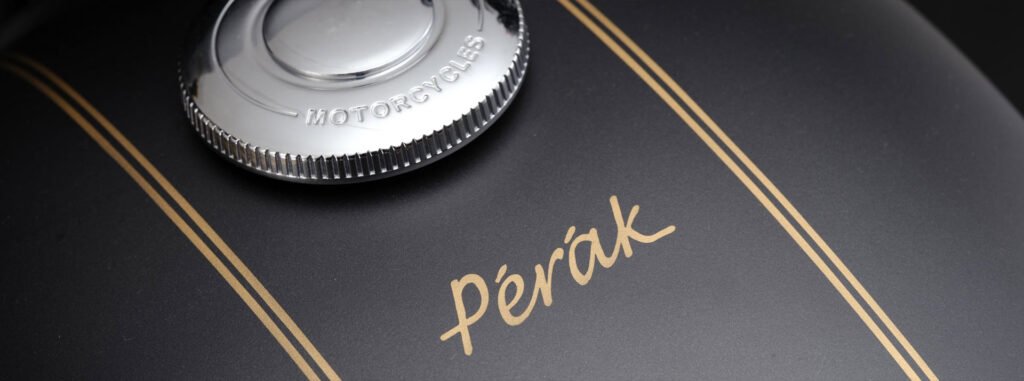
The original review praised the Perak’s refinement and low-end torque, both important qualities for a cruiser or bobber. Its performance was positioned as comparable with other motorcycles in the segment, but its appeal is more about a relaxed, unhurried ride than chasing top speed.
Compared with the Jawa 42 and Jawa Standard of the period, the Perak had stronger headline output on paper. Riders considering one should still judge the engine by a current test ride and a used bike’s service history.
Ergonomics and practicality
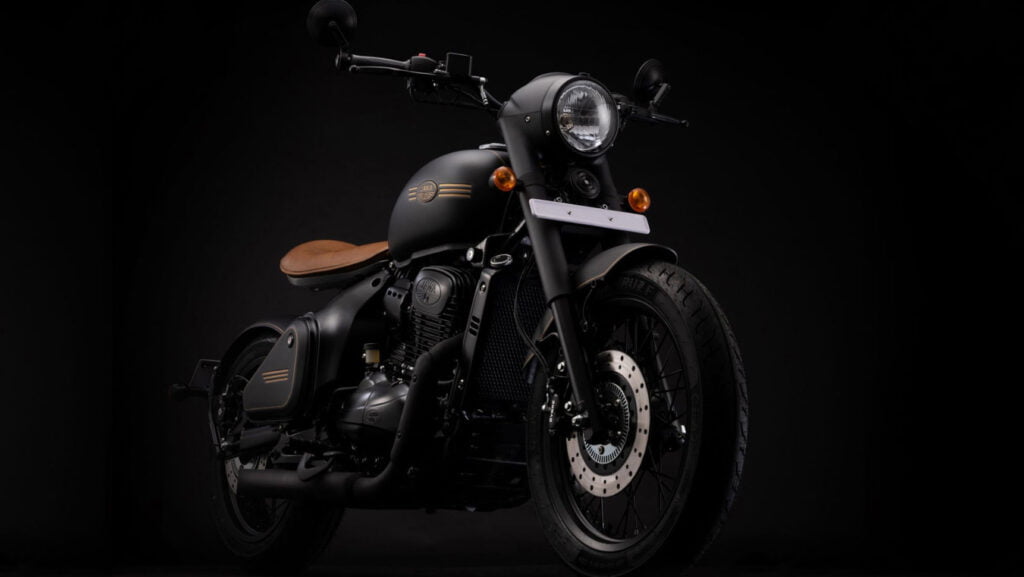
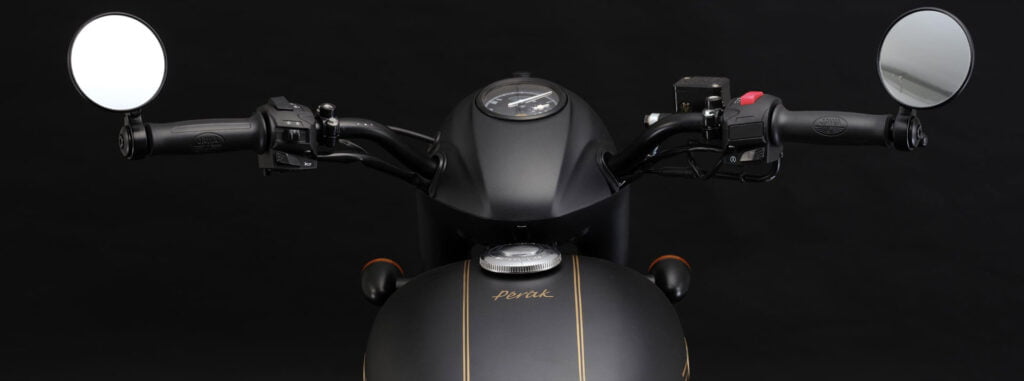
The low seat and cruiser-style posture make the Perak approachable for a wide range of riders. The important trade-off is its solo-only layout: the original model did not provide a pillion seat option. That makes it a focused choice for riders who do not need to carry a passenger.
Looks
The Perak’s dark finish, chopped rear, single saddle, and low stance are its defining strengths. It is one of the most visually distinctive motorcycles in Jawa’s line-up, especially for riders who specifically want a classic bobber silhouette.
Legacy specifications
The figures below are retained from the original article as historical reference. Check the current manufacturer specifications before purchasing a new motorcycle.
Engine
| Specification | Original article figure |
|---|---|
| Displacement | 334cc |
| Power | 30.2 bhp at 7,500 rpm |
| Torque | 32.74 Nm at 5,500 rpm |
| Cooling | Liquid-cooled |
| Fuel system | Fuel injection |
| Transmission | Six-speed, chain drive |
| Emissions standard | BS6 |
Performance and fuel capacity
| Specification | Original article figure |
|---|---|
| Top speed | Around 140 km/h |
| Fuel-tank capacity | 14 litres |
| Claimed riding range | Around 350-400 km |
| Reported mileage | Around 30-35 km/l, depending on riding conditions |
Chassis, wheels, and brakes
| Specification | Original article figure |
|---|---|
| Front tyre | 100/90-18, tubed |
| Rear tyre | 140/70-17, tubed |
| Wheels | Spoked, 18-inch front and 17-inch rear |
| Front suspension | Telescopic hydraulic fork |
| Rear suspension | Seven-step adjustable monoshock |
| Brakes | Front and rear discs with ABS |
| Front/rear disc size | 280 mm / 240 mm |
Equipment and dimensions
| Specification | Original article figure |
|---|---|
| Headlamp | Halogen |
| Tail-lamp | LED |
| Instrument cluster | Analogue |
| Kerb weight listed | 185 kg |
| Seat height | 750 mm |
| Ground clearance | 145 mm |
| Frame | Double-cradle tubular frame |
Pros and cons
Pros
- Strong visual identity and a genuine factory-bobber stance.
- Relaxed riding position and a low seat height.
- Refined engine character for its original segment.
- Dual-channel ABS was listed as standard in the original article.
Cons
- No pillion seat, which limits day-to-day versatility.
- Tubed tyres on spoked wheels are less convenient after a puncture.
- Limited colour choice in the original model.
- Halogen headlamp and a basic analogue cluster feel dated beside newer motorcycles.
Is the Jawa Perak worth buying?
The Perak makes sense for a rider who wants a solo bobber with a relaxed pace and a strong visual identity. It is less suitable for regular two-up riding, luggage-heavy touring, or buyers who prioritise modern equipment. Before buying, check local availability, service support, tyres, and the condition of any used example.
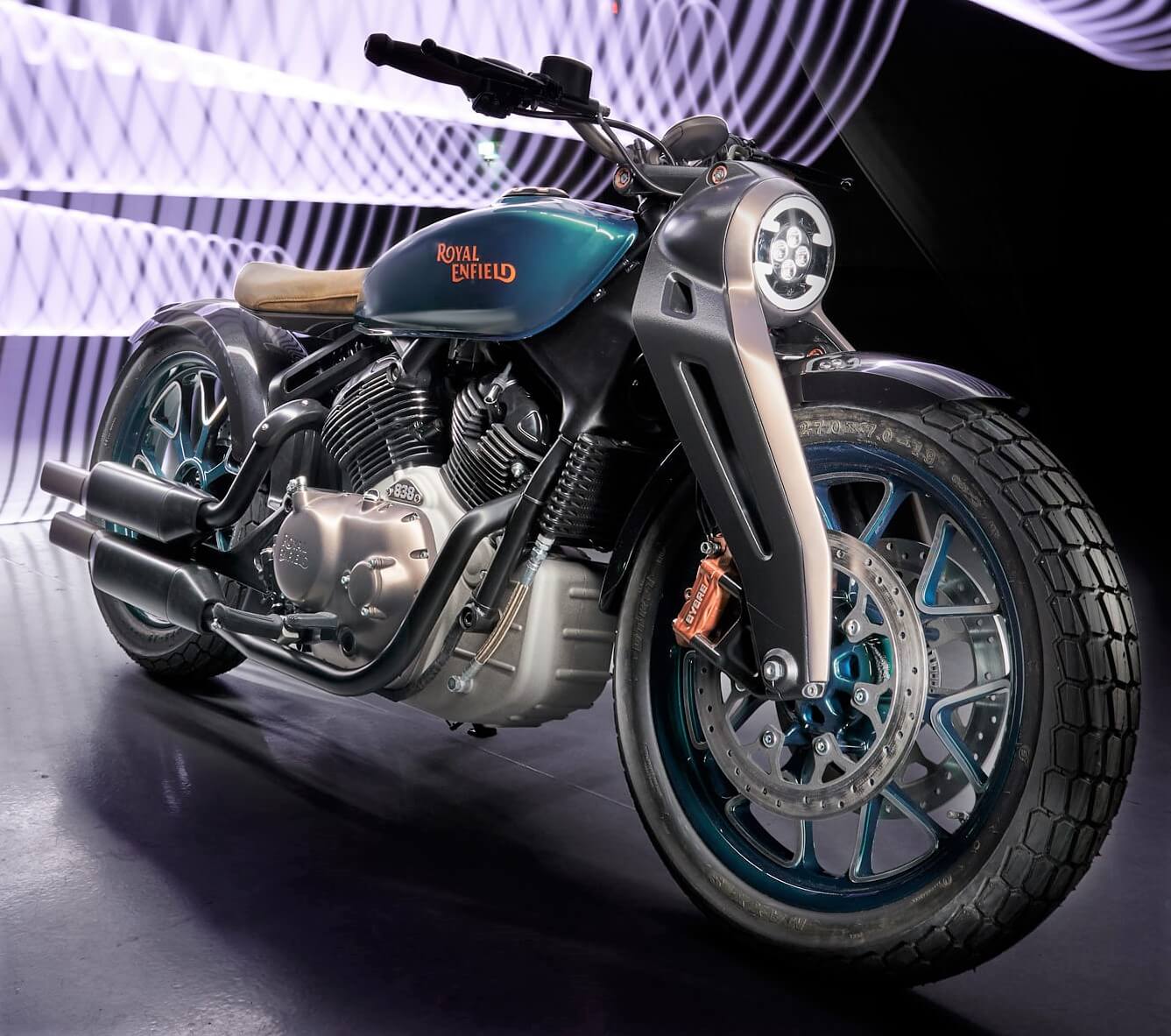
For another classic bobber concept, see the Royal Enfield KX Concept. Riders planning long solo trips may also find our long motorcycle ride checklist useful.
Frequently asked questions
What mileage can a Jawa Perak return?
The original article quoted around 30-35 km/l. Real-world fuel economy depends on riding conditions, maintenance, and traffic.
Can the Jawa Perak carry a pillion passenger?
No. The Perak’s original bobber layout uses a single seat.
What was the Jawa Perak’s listed top speed?
The original article listed an approximate top speed of 140 km/h.
Which colour was available?
The original article listed black as the available colour.
Which motorcycles were considered alternatives?
The original article compared it broadly with cruiser-style motorcycles such as the Benelli Imperiale 400, Royal Enfield Classic 350, Jawa 42, and Jawa Standard. The Perak had no like-for-like middleweight bobber rival at the time.